




🤖 A New Era of Work: Robots With Human-Like Ability
For decades, industrial robots have powered automotive factories and mega-manufacturing facilities — but they’ve always been fixed, single-function machines. The breakthrough in 2025 is different.
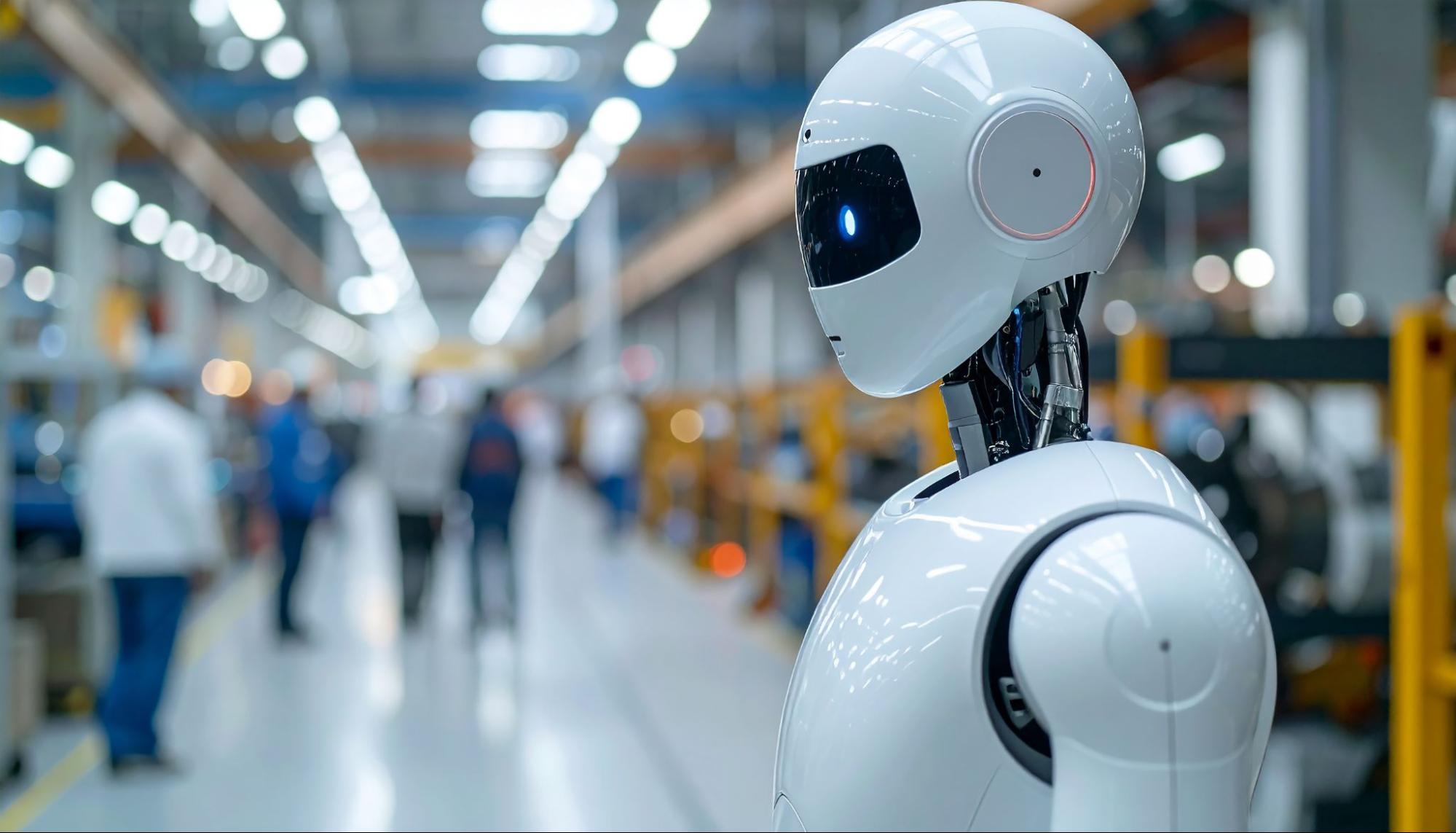
This year, humanoid robots, built to walk, lift, grip, and work like humans, have finally moved from research labs to real factory floors.
Leading that transition is Apptronik, the robotics company behind the highly anticipated humanoid robot Apollo — now officially being tested by one of the world’s largest manufacturers: Mercedes-Benz.
This partnership marks a major milestone:
👉 Humanoids are no longer a futuristic idea — they’re becoming tools for real production lines.
🔧 What Makes Apptronik’s Apollo So Special?
Unlike bulky industrial robots bolted to the floor, Apollo is mobile, modular, and built for physical tasks humans do daily.
Key capabilities include:
| Feature | Real-World Example Use |
|---|---|
| 🚶♂️ Walking and navigating factory floors | Moving parts to different workstations |
| 👐 Human-like grippers | Handling tools, opening crates, assembling components |
| 🎒 Battery-powered swappable power pack | Operates all day without charge downtime |
| 🧠 AI-based task learning | Learns workflows instead of needing full reprogramming |
Apollo isn’t just a robot — it’s a general-purpose workforce assistant.
🏭 Why Mercedes-Benz Chose Humanoids
Mercedes-Benz announced that humanoids will be tested for:
- Handling material movement
- Unloading and stacking parts
- Performing repetitive manual tasks
- Navigating factory layouts designed originally for humans, not robots
This solves a longstanding automation challenge:
💡 Traditional robots need the environment redesigned.
Humanoids adapt to existing environments.
That flexibility could mean billions saved in infrastructure redesign.
📈 Why 2025 Became the Turning Point
The shift didn’t happen overnight — three trends collided:
🔹 1. Labor Shortage in Skilled Manufacturing
Countries like the U.S., Germany, and Japan face aging manufacturing workforces.
Factories desperately need:
- Consistency
- Physical endurance
- 24/7 reliability
Humanoids help fill the gap.
🔹 2. Advances in AI + Robotics Engineering
From self-driving car tech to computer vision breakthroughs, AI can now:
- Identify objects
- Follow processes
- Navigate dynamic areas
- Learn from repetition
Robots can finally work safely next to humans — not behind fences.
🔹 3. Market Confidence & Investment
2024–2025 saw billions invested in robotics startups like:
- Figure
- Agility Robotics
- Sanctuary AI
- Apptronik
Manufacturing giants now see humanoids as a cost-saving asset—not a science project.
🛠️ What Tasks Will Humanoid Robots Do First?
Humanoids will take over:
- Repetitive manual labor
- “Dirty, dull, or dangerous” tasks
- Packaging and logistics
- Basic assembly jobs
- Inventory handling
So humans can focus on:
- Precision work
- Oversight
- Programming and quality control
- Supervisory roles
⚠️ The Challenges Still Ahead
Despite rapid progress, the technology isn’t perfect.
Current limitations include:
- Speed — humanoids still work slower than humans
- Weight load limits
- Safety regulatory review
- Cost (still high, but dropping fast)
- Reliability under long-term labor stress
But like early smartphones, rapid iteration will shrink these barriers dramatically.
🌍 What This Means for the Future of Work
Humanoids won’t replace humans overnight.
Instead, they are becoming workforce partners.
Manufacturing could soon look like:
💼 Humans manage workflows
🤖 Robots perform physical labor
🧠 AI coordinates systems and logistics
This model may reshape:
- Education (robot engineers > manual labor)
- Industry growth
- Factory infrastructure
- Global workforce strategies
By 2030, humanoids could be as common as forklifts are today.
🔮 Final Thought: Are Factories Ready?
2025 marks the moment the world stopped asking:
“Will humanoids work in factories?”
and started asking:
“How many factories can afford NOT to use them?”
Apptronik’s rollout proves one thing:
🏁 The age of humanoid robotics isn’t coming — it has arrived.