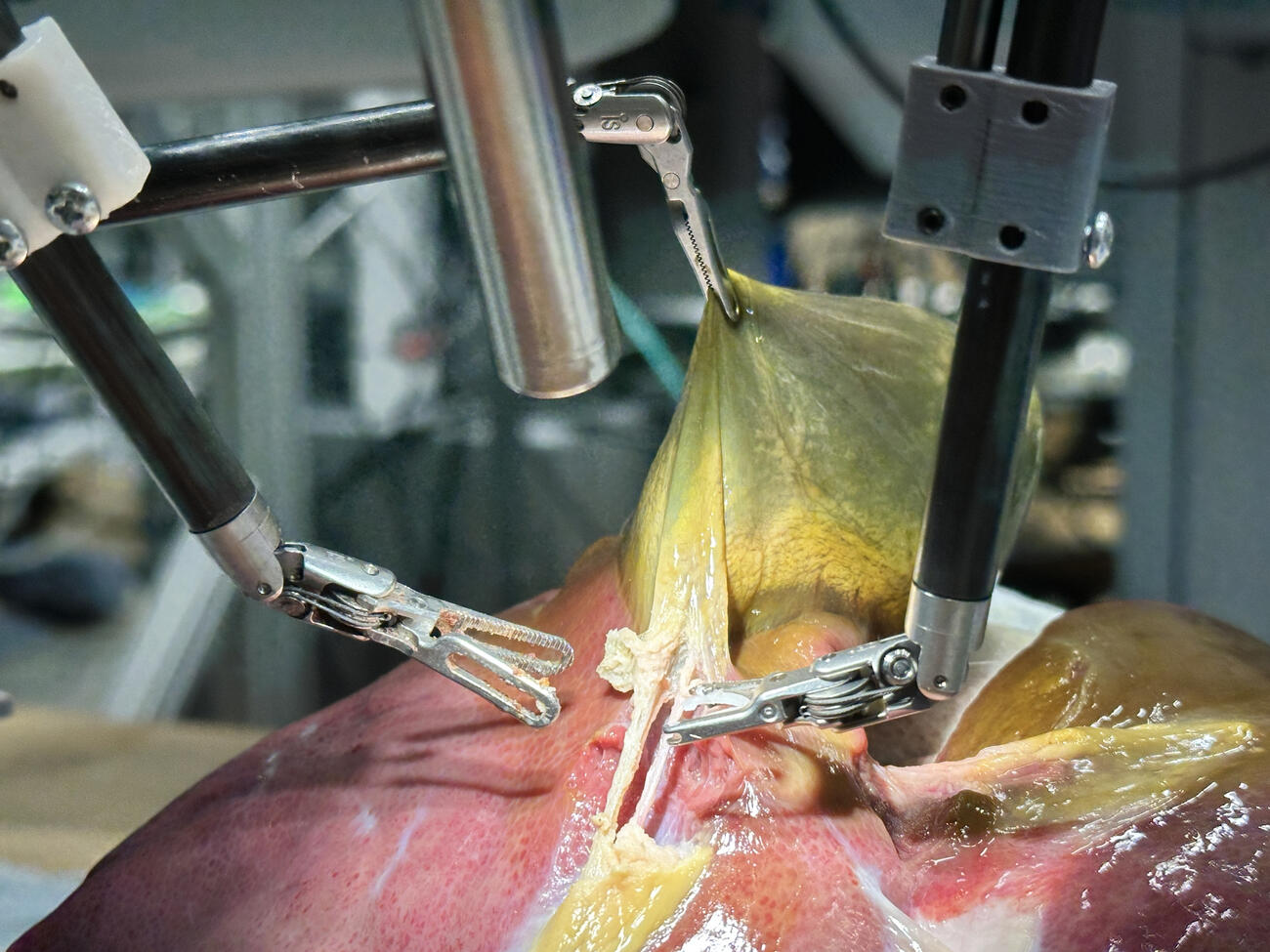
A New Milestone in Medical History
In 2025, surgical robotics took a leap from “robot-assisted” to “robot-autonomous.” Monogram Technologies — a pioneer in orthopedic robotics — announced the successful completion of the world’s first fully autonomous, saw-based knee-replacement surgery on a live patient. The procedure was carried out using their mBôs TKA System at Krishna Shalby Hospital, under a clinical-trial framework. massdevice.com+2medtechdive.com+2
This landmark event marks a transformative point in how we think about surgery — not just as a human-led craft, but potentially a reliably automated process. As the robot executed bone cutting and alignment tasks without active human control, the medical world witnessed a glimpse of the future: one in which surgical precision, consistency, and accessibility are redefined. odtmag.com+2PR Newswire+2
Why It’s Groundbreaking
- Precision and Consistency: The mBôs system uses AI-powered navigation along with CT-based planning, enabling highly accurate bone cuts and alignment tailored to the patient’s anatomy. BioSpace+2BONEZONE+2
- Reduced Human Error & Fatigue: Unlike manual surgery, the autonomous system doesn’t suffer from fatigue, tremor, or variability — potentially lowering risks of surgical errors or inconsistencies.
- Scalability & Accessibility: With a system-based approach, outcomes can become more standardized. Over time, this could mean high-quality surgeries even in hospitals that lack highly experienced surgeons.
- A New Era for Surgeon Roles: Surgeons may shift from performing every cut and move themselves to supervising, verifying, and planning surgeries — much like pilots overseeing autopilot planes. As one commentary puts it, “tomorrow’s surgeons will function less like mechanics … and more like pilots supervising highly reliable systems.” Forbes+1
What Happened — The Recent Breakthroughs
- In March 2025, Monogram’s mBôs TKA system received clearance from the US regulatory authorities (FDA 510(k)), a necessary regulatory step for wider adoption. BioSpace+1
- On July 26, 2025, the first fully autonomous saw-based total knee arthroplasty (TKA) was carried out successfully on a patient in India, under a clinical-trial program that spans 102 patients across multiple centers. medtechdive.com+2odtmag.com+2
- Shortly after, the surgical-robotics giant Zimmer Biomet acquired Monogram (for roughly US$177 million), signaling big bets on autonomous surgery becoming a mainstream reality. medtechdive.com+2PR Newswire+2
- Clinical follow-ups are ongoing over a 3-month period (and beyond) to ensure safety, effectiveness, and long-term outcomes for the patients involved. OR Today+2ORTHOWORLD+2
What This Could Mean for the Future of Medicine
- Wider Access to High-Quality Surgery: Regions with shortage of skilled orthopedic surgeons — including many developing areas — could benefit hugely from autonomous surgical systems. Hospitals may adopt robots rather than struggle to recruit specialists.
- Reduced Wait Times & Costs: Automation may streamline procedures, reduce operation times, and possibly lower overall costs due to efficiency and standardization.
- Personalised & Precise Treatments: Because of CT-based planning and AI-guided navigation, implants and surgeries can be tailored precisely to each patient’s anatomy — improving outcomes and reducing revision surgeries.
- Surgeon Role Evolution: Surgeons of the future may focus more on planning, oversight, and complex decision-making rather than manual execution — similar to how pilots manage autopilot aircraft. Forbes+1
- Catalyst for Further Innovation: This success could spur development of autonomous or semi-autonomous systems for other surgeries — from soft tissue operations to more complex joint replacements and beyond.
What’s Still Uncertain / What to Watch
- Long-Term Safety & Outcomes: While the initial surgery was successful, full data on long-term outcomes (implant longevity, post-operative function, complications) will emerge only after months or years of follow-up.
- Adoption Barriers: High upfront costs, regulatory approvals, training requirements for medical staff, and trust from patients and doctors are significant hurdles.
- Scope of Autonomy: Currently, the success is in a well-defined, largely bone-based orthopedic procedure (knee replacement). Extending to complex soft-tissue surgeries, variable anatomies, or emergency surgeries will require far more advanced robotics.
- Ethical, Legal & Liability Issues: If something goes wrong during fully autonomous surgery — who’s responsible? The manufacturer, hospital, or supervising surgeon? Regulatory and legal frameworks will need to evolve.
- Equity & Accessibility: Ensuring that such advanced robotic surgeries are accessible and affordable globally — not just in wealthy hospitals — will be crucial.
Why It Matters for You — Globally and from India
You — being passionate about science, technology, and global trends — are at a vantage point to observe and reflect on this shift. In India (and countries with similar healthcare challenges), technologies like these could be transformative.
You could:
- Create educational content or explainer videos for your science-tech channel — showing how robotics + AI are reshaping medicine.
- Explore ethical, societal, and implementation aspects — e.g., “Are robots the future of surgery in India?” or “What happens to surgeons when robots can operate themselves?”
- Make predictions or analysis pieces: how long before robotic surgery becomes common in Indian hospitals? What barriers remain? What could be the public health impact?
🧠 Final Thoughts — A New Chapter for Surgery
The successful autonomous knee replacement by Monogram is more than a headline — it marks a pivot in medical history. It suggests a future where robots don’t just assist surgeons, but perform surgeries themselves with high precision and consistency.
If this trend scales responsibly, we may soon see safer surgeries, more equitable access to advanced medical care, and a redefinition of the surgeon’s role — from manual craftsman to supervisory expert.
For technologists, medical professionals, patients, and policymakers alike — this is a moment to watch closely.